Toprated
-

Caught In The Crossfire THE INSIDE STORY OF PAKISTAN'S SECRET SERVICES
Regular price Rs.3,595.00 PKRSale price Rs.3,595.00 PKR Regular priceUnit price perSale Sold out -

Aik Safay Ki Badshahiyat
Regular price Rs.3,995.00 PKRSale price Rs.3,995.00 PKR Regular priceUnit price perSale Sold out -

FALL OUT POWER, INTRIGUE AND POLITICAL UPHEAVAL IN PAKISTAN
Regular price Rs.2,495.00 PKRSale price Rs.2,495.00 PKR Regular priceUnit price perSale Sold out


-

SAME PAGE PAKISTAN UNDER IMRAN KHAN 2018-2022
Regular price Rs.3,995.00 PKRSale price Rs.3,995.00 PKR Regular priceUnit price perSale Sold out -
PAKISTAN UNDER SIEGE EXTREMISM, SOCIETY, AND THE STATE
Regular price Rs.1,995.00 PKRSale price Rs.1,995.00 PKR Regular priceUnit price perSale Sold out

Customer's Reviews

Ali Raza
Great collection of academic and fiction books. Prices are reasonable, and the packaging was excellent. Will definitely shop again!

Ayesha Khan
This is the best online bookstore in Pakistan! The delivery was fast, and I found books that I couldn’t get anywhere else. Highly recommended!

Hamza Ahmed
I love how they stock both local and international authors. My order arrived on time, and the quality was perfect.
Bestseller
-
Story Of The North West Frontier Province
Regular price Rs.1,600.00 PKRSale price Rs.1,600.00 PKR Regular priceUnit price perSale Sold out -
Tareekh Punjab (Kanhaia Laal)
Regular price Rs.1,800.00 PKRSale price Rs.1,800.00 PKR Regular priceUnit price perSale Sold out -
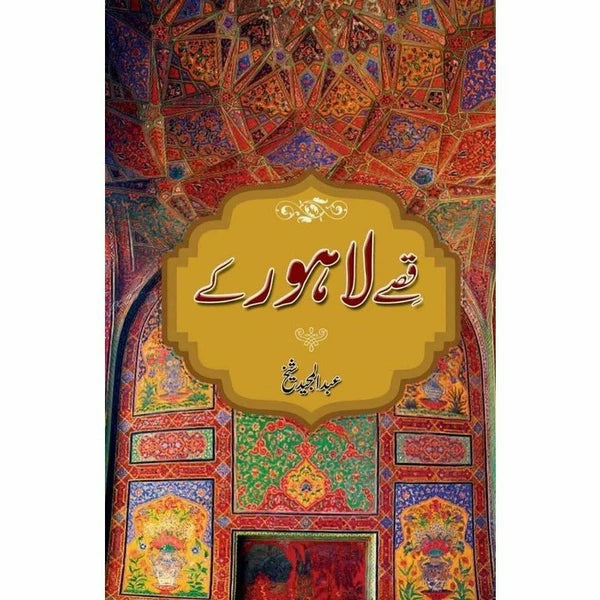
Qissay Lahore Kay
Regular price Rs.990.00 PKRSale price Rs.990.00 PKR Regular priceUnit price perSale Sold out
-
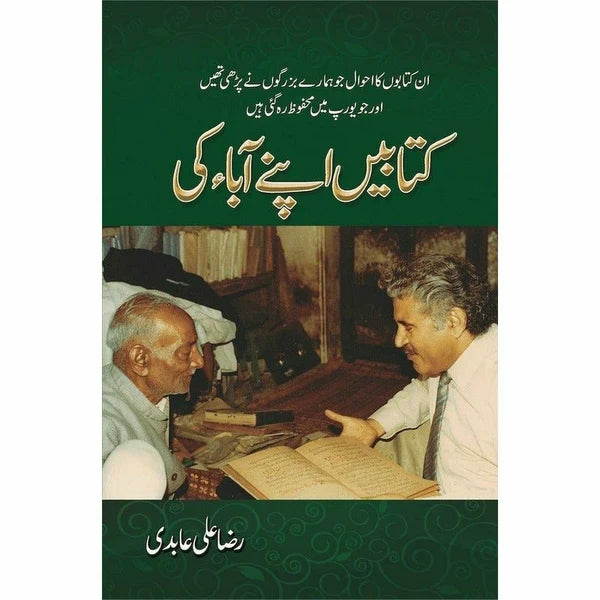
Kitabain Apnay Aaba Ki
Regular price Rs.2,550.00 PKRSale price Rs.2,550.00 PKR Regular priceUnit price perRs.2,800.00 PKRSale Sold out -
Bostaan-e-Saadi
Regular price Rs.895.00 PKRSale price Rs.895.00 PKR Regular priceUnit price perSale Sold out -
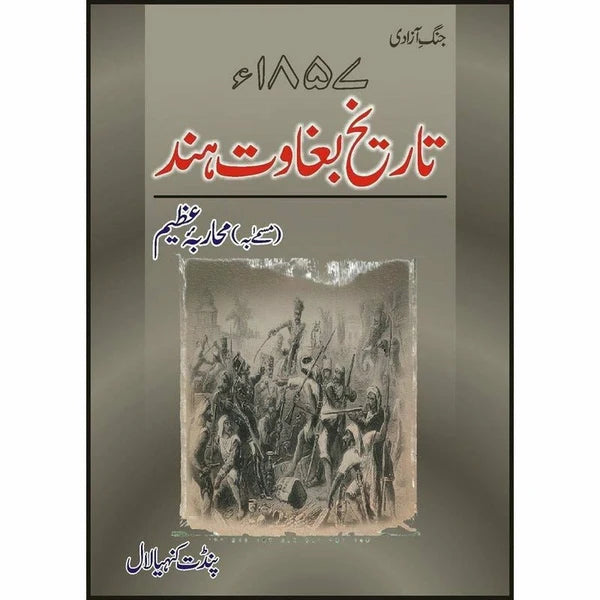
Tareekh Baghawat Hind 1857
Regular price Rs.800.00 PKRSale price Rs.800.00 PKR Regular priceUnit price perSale Sold out

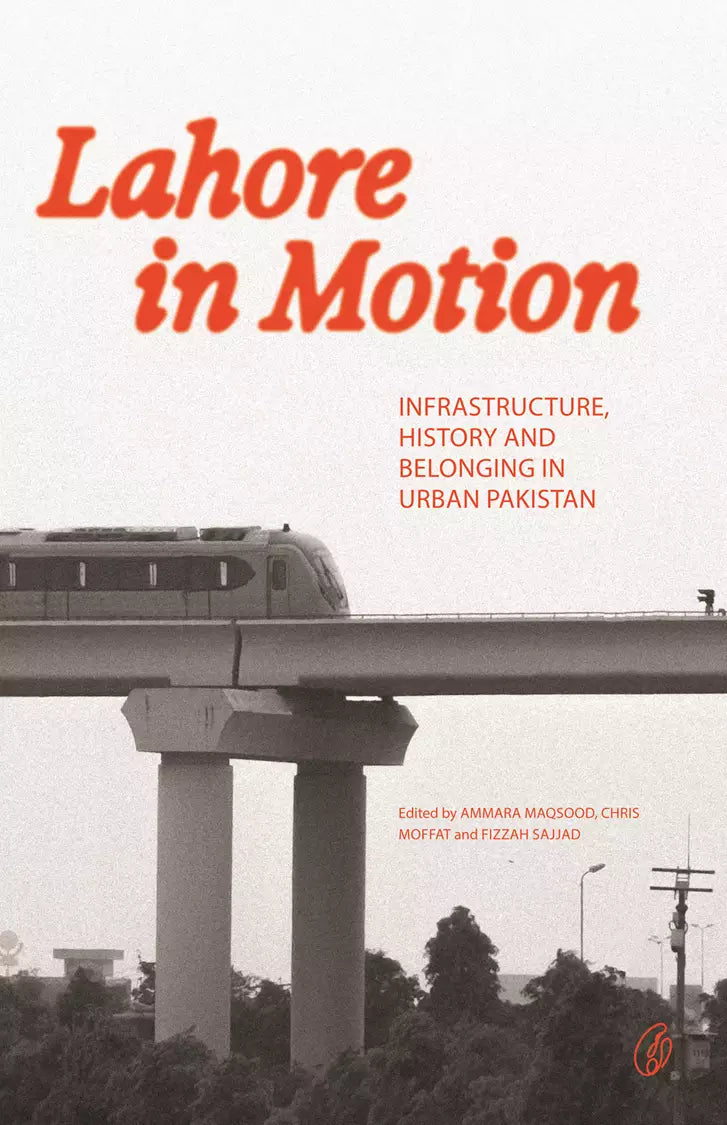
Lahore In Motion: Infrastructure, History and Belonging In Urban Pakistan
Couldn't load pickup availability
Description
Author: Ammara Maqsood - Chris Moffat - Fizzah Sajjad
Pages: 231
‘A lovely, mind-boggling tapestry of a book. Lahore in Motion gives us sharp, short glimpses into how Lahore lives, dies, plays, goes to work, prays, celebrates, resists and surrenders. Intimate forays into how a city reinvents itself, struggles to breathe and remembers that other imagined Lahore of legends.’ - Mohammed Hanif, author of Rebel English Academy Lahore in Motion provides a portrait of the Pakistani metropolis by tracing the path of the city’s first metro rail corridor. Construction for this major piece of public infrastructure began in 2015 and, over subsequent years, the nascent ‘Orange Line’ rapidly reconfigured Lahore’s urban landscape – displacing residents and slicing through existing structures along its route, all while offering Lahoris the promise of ‘world-class’ public transportation. The volume collects stories from a series of walks along the metro’s 27-kilometre path, bringing together a wide variety of authors – including academics and activists, architects and artists – to reflect on the relationship between urban change and belonging in a historic city. Each chapter is organised around a particular station on the metro, but the volume moves far beyond the neighbourhoods shadowed by the train’s elevated track. Contributors navigate the friction generated by the Orange Line’s construction and reflect on how this project of connection both responds to and produces fragmentation in the urban environment. The book brings together critical insights on the politics of infrastructure in South Asia and the desires and dispossessions fuelling projects of development in the Global South, assessing how they unevenly inflect the intimate rhythms of everyday life in one of the world’s most populous cities.