
Toprated
-

Caught In The Crossfire THE INSIDE STORY OF PAKISTAN'S SECRET SERVICES
Regular price Rs.3,595.00 PKRSale price Rs.3,595.00 PKR Regular priceUnit price perSale Sold out -

Aik Safay Ki Badshahiyat
Regular price Rs.3,995.00 PKRSale price Rs.3,995.00 PKR Regular priceUnit price perSale Sold out -

FALL OUT POWER, INTRIGUE AND POLITICAL UPHEAVAL IN PAKISTAN
Regular price Rs.2,495.00 PKRSale price Rs.2,495.00 PKR Regular priceUnit price perSale Sold out


-

SAME PAGE PAKISTAN UNDER IMRAN KHAN 2018-2022
Regular price Rs.3,995.00 PKRSale price Rs.3,995.00 PKR Regular priceUnit price perSale Sold out -

PAKISTAN UNDER SIEGE EXTREMISM, SOCIETY, AND THE STATE
Regular price Rs.1,995.00 PKRSale price Rs.1,995.00 PKR Regular priceUnit price perSale Sold out

Customer's Reviews

Ali Raza
Great collection of academic and fiction books. Prices are reasonable, and the packaging was excellent. Will definitely shop again!

Ayesha Khan
This is the best online bookstore in Pakistan! The delivery was fast, and I found books that I couldn’t get anywhere else. Highly recommended!

Hamza Ahmed
I love how they stock both local and international authors. My order arrived on time, and the quality was perfect.
Bestseller
-
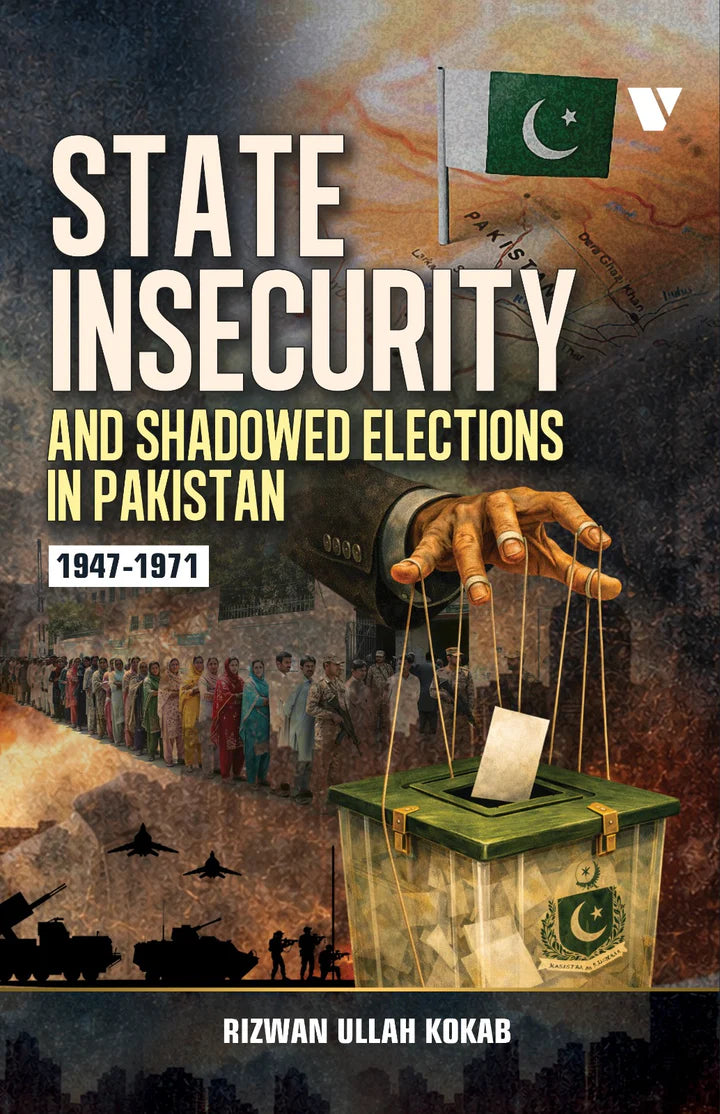
State Insecurity And Shadowed Elections In Pakistan 1947-1971
Regular price Rs.7,995.00 PKRSale price Rs.7,995.00 PKR Regular priceUnit price perSale Sold out -
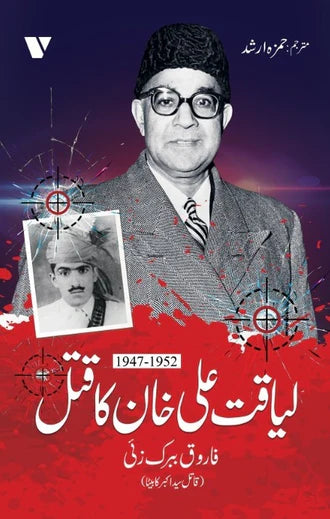
Liyaqt Ali Khan Ka Qatal
Regular price Rs.3,995.00 PKRSale price Rs.3,995.00 PKR Regular priceUnit price perSale Sold out -
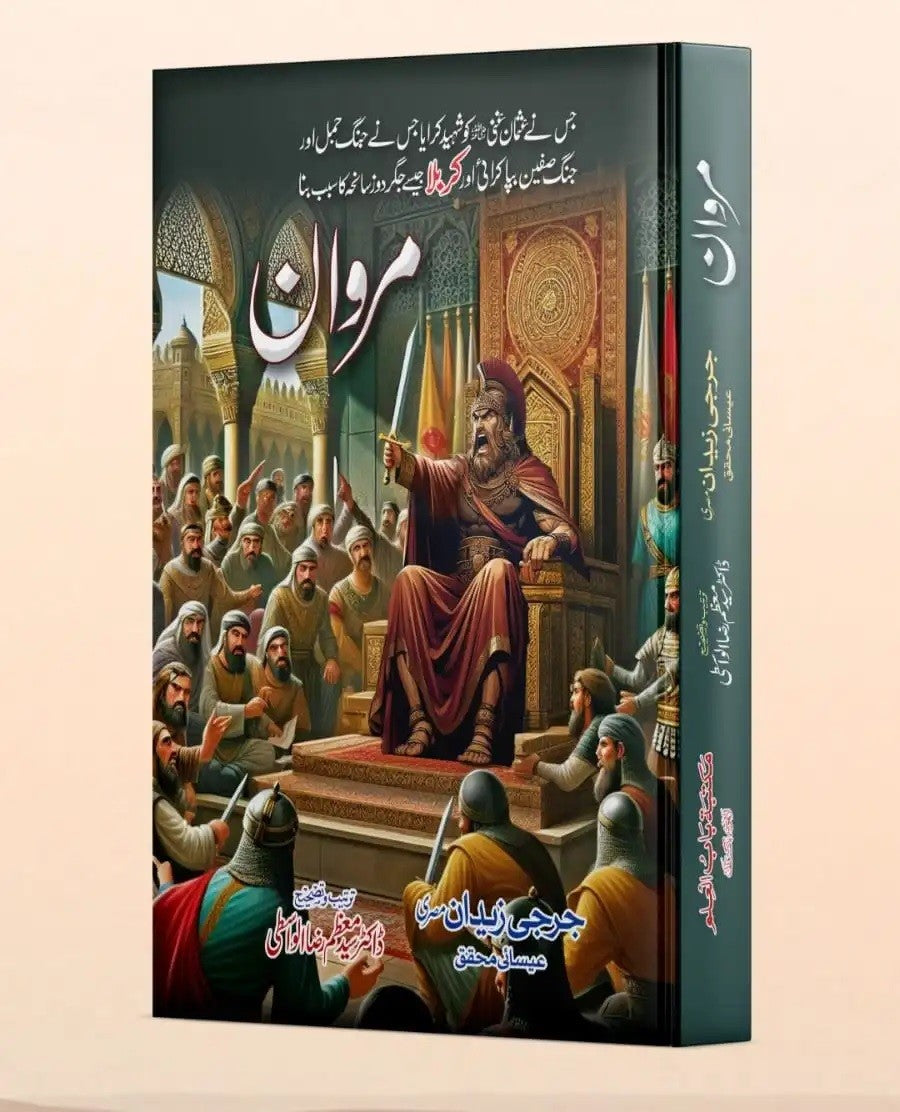
MARWAN
Regular price Rs.800.00 PKRSale price Rs.800.00 PKR Regular priceUnit price perSale Sold out
-
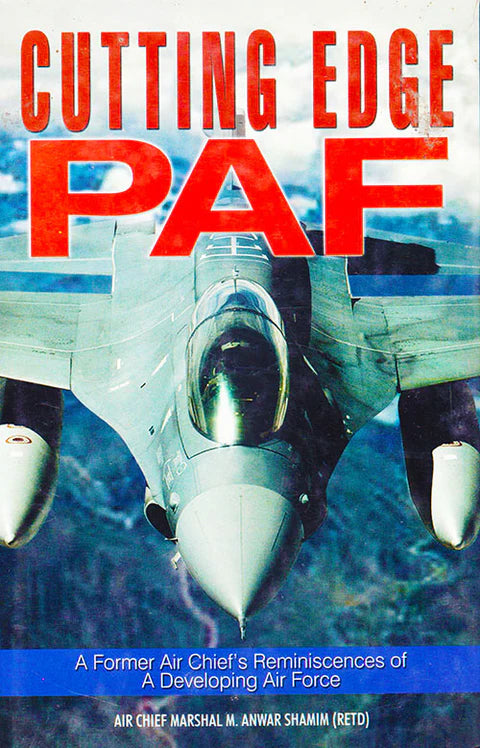
Cutting Edge Paf
Regular price Rs.2,495.00 PKRSale price Rs.2,495.00 PKR Regular priceUnit price perSale Sold out -
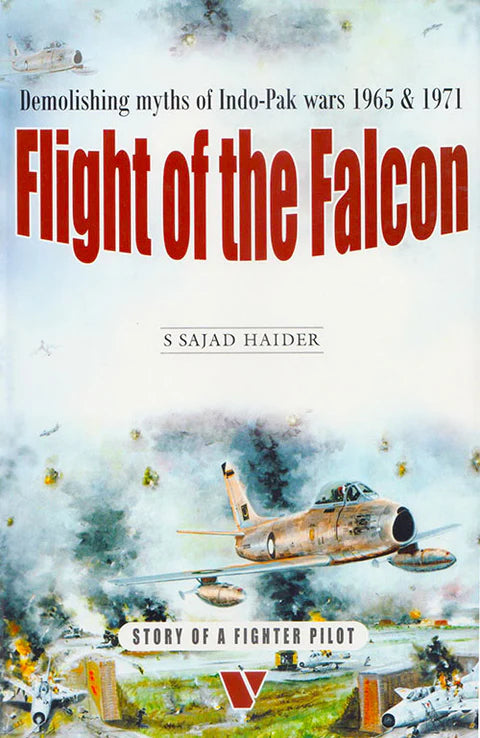
Flight Of The Falcon
Regular price Rs.2,495.00 PKRSale price Rs.2,495.00 PKR Regular priceUnit price perSale Sold out -
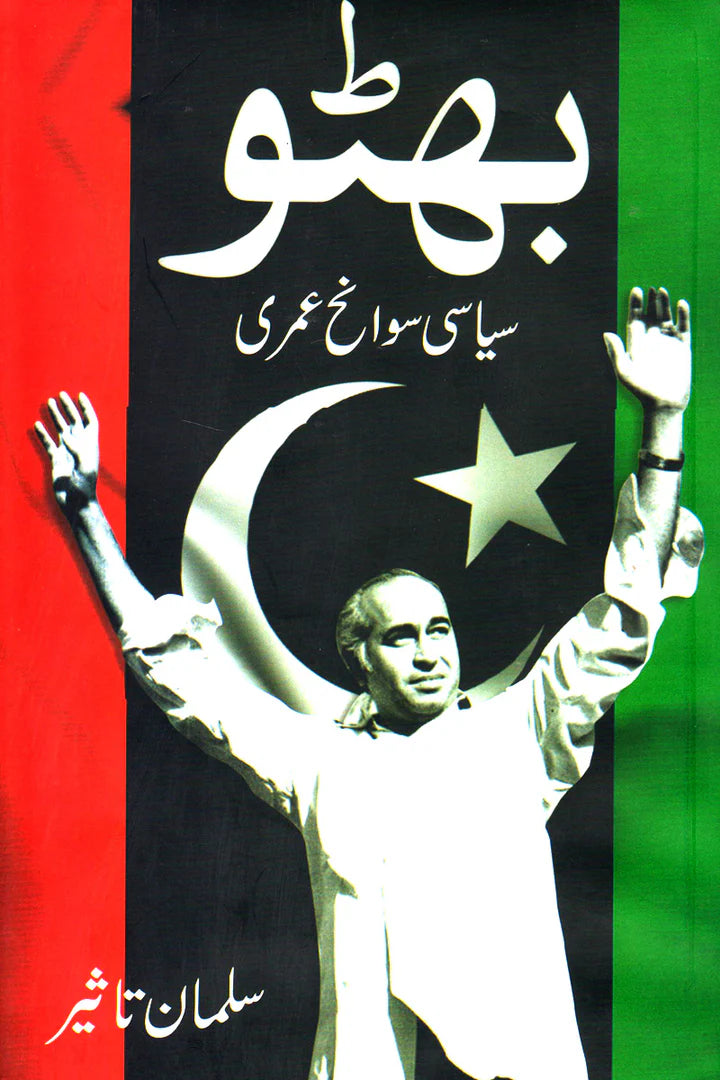
Bhutto SIYASSI SAWAN UMARI
Regular price Rs.3,495.00 PKRSale price Rs.3,495.00 PKR Regular priceUnit price perSale Sold out

Of Reason, Romance And Ruin
Regular price
Rs.2,495.00 PKR
Sale price
Rs.2,495.00 PKR
Regular price
Unit price
per
Sale
Sold out
Couldn't load pickup availability
Description