Toprated
-

Caught In The Crossfire THE INSIDE STORY OF PAKISTAN'S SECRET SERVICES
Regular price Rs.3,595.00 PKRSale price Rs.3,595.00 PKR Regular priceUnit price perSale Sold out -

Aik Safay Ki Badshahiyat
Regular price Rs.3,995.00 PKRSale price Rs.3,995.00 PKR Regular priceUnit price perSale Sold out -

FALL OUT POWER, INTRIGUE AND POLITICAL UPHEAVAL IN PAKISTAN
Regular price Rs.2,495.00 PKRSale price Rs.2,495.00 PKR Regular priceUnit price perSale Sold out


-
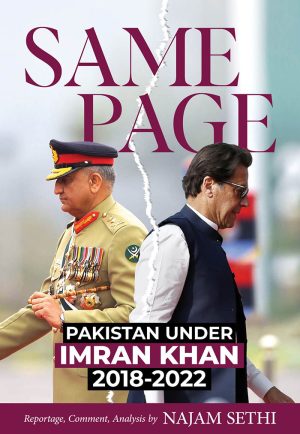
SAME PAGE PAKISTAN UNDER IMRAN KHAN 2018-2022
Regular price Rs.3,995.00 PKRSale price Rs.3,995.00 PKR Regular priceUnit price perSale Sold out -
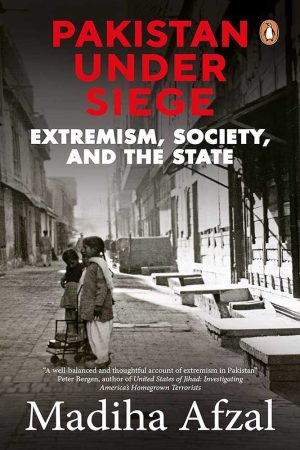
PAKISTAN UNDER SIEGE EXTREMISM, SOCIETY, AND THE STATE
Regular price Rs.1,995.00 PKRSale price Rs.1,995.00 PKR Regular priceUnit price perSale Sold out

Customer's Reviews

Ali Raza
Great collection of academic and fiction books. Prices are reasonable, and the packaging was excellent. Will definitely shop again!

Ayesha Khan
This is the best online bookstore in Pakistan! The delivery was fast, and I found books that I couldn’t get anywhere else. Highly recommended!

Hamza Ahmed
I love how they stock both local and international authors. My order arrived on time, and the quality was perfect.
Bestseller
-
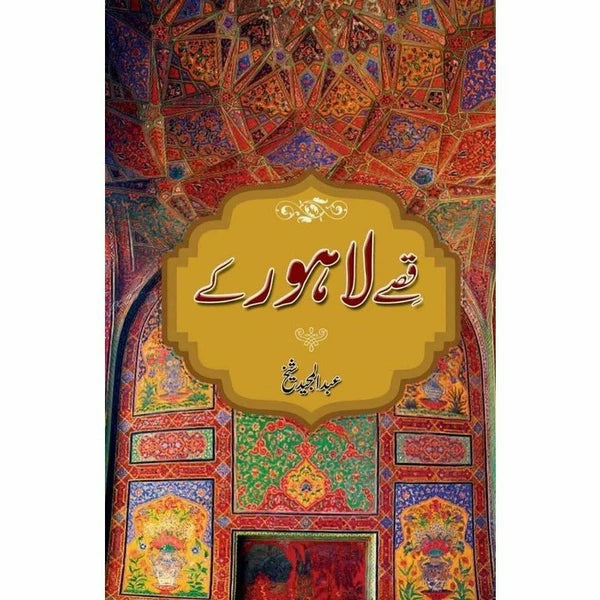
Qissay Lahore Kay
Regular price Rs.990.00 PKRSale price Rs.990.00 PKR Regular priceUnit price perSale Sold out -
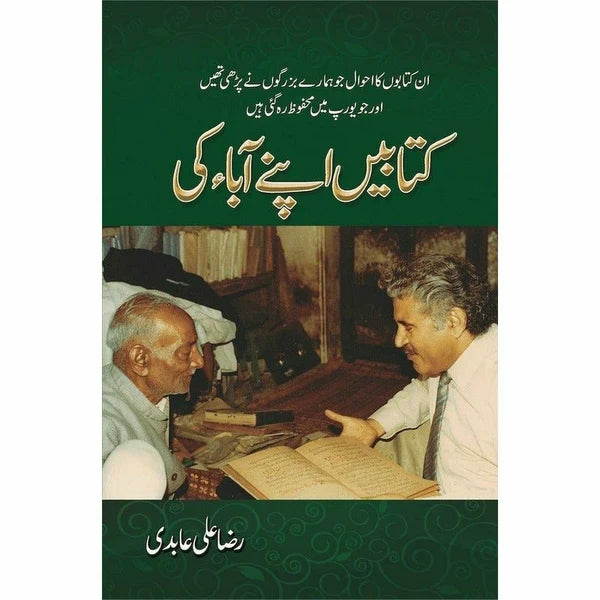
Kitabain Apnay Aaba Ki
Regular price Rs.2,550.00 PKRSale price Rs.2,550.00 PKR Regular priceUnit price perRs.2,800.00 PKRSale Sold out -
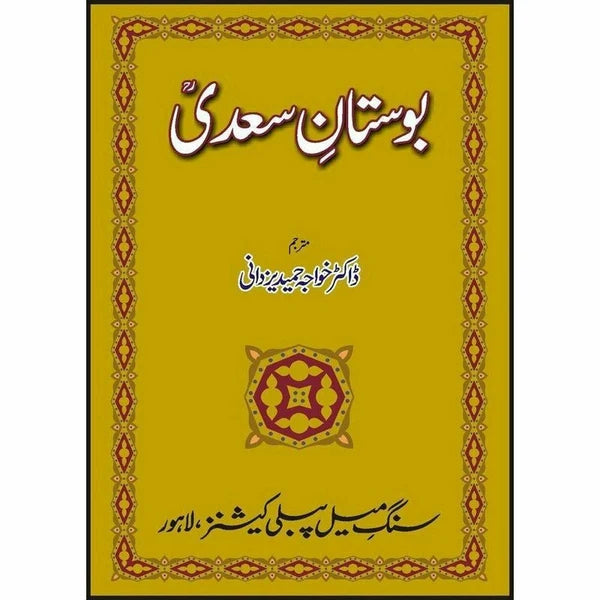
Bostaan-e-Saadi
Regular price Rs.895.00 PKRSale price Rs.895.00 PKR Regular priceUnit price perSale Sold out
-
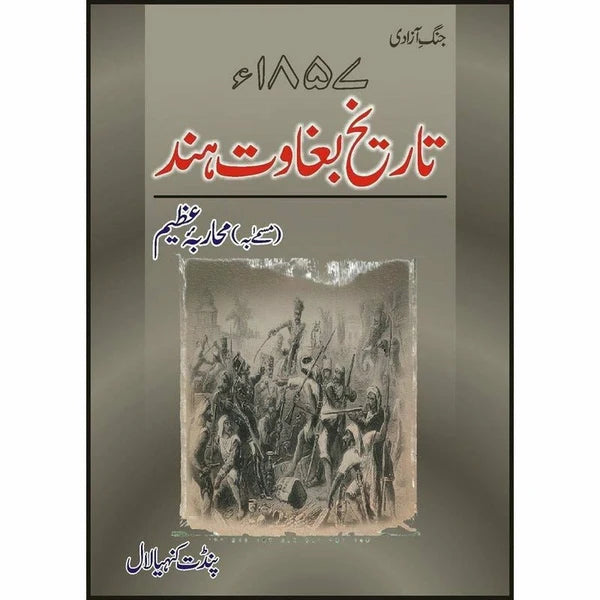
Tareekh Baghawat Hind 1857
Regular price Rs.800.00 PKRSale price Rs.800.00 PKR Regular priceUnit price perSale Sold out -
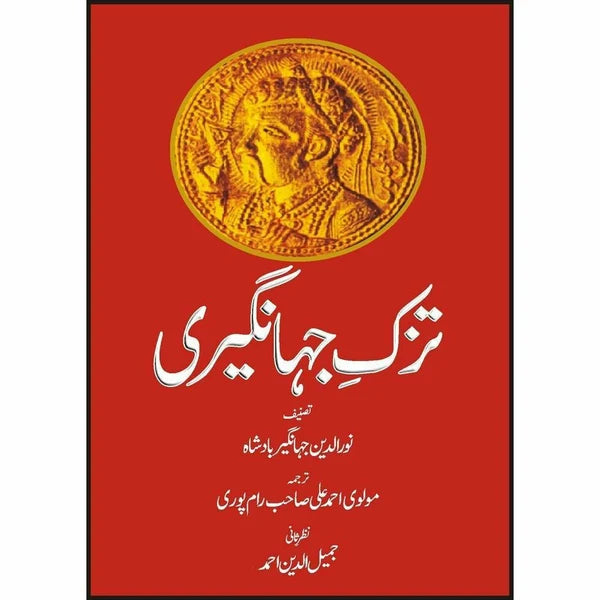
Tuzk-E-Jahangiri (Urdu)
Regular price Rs.1,400.00 PKRSale price Rs.1,400.00 PKR Regular priceUnit price perSale Sold out -
Jinnah Speeches
Regular price Rs.1,050.00 PKRSale price Rs.1,050.00 PKR Regular priceUnit price perRs.1,200.00 PKRSale Sold out

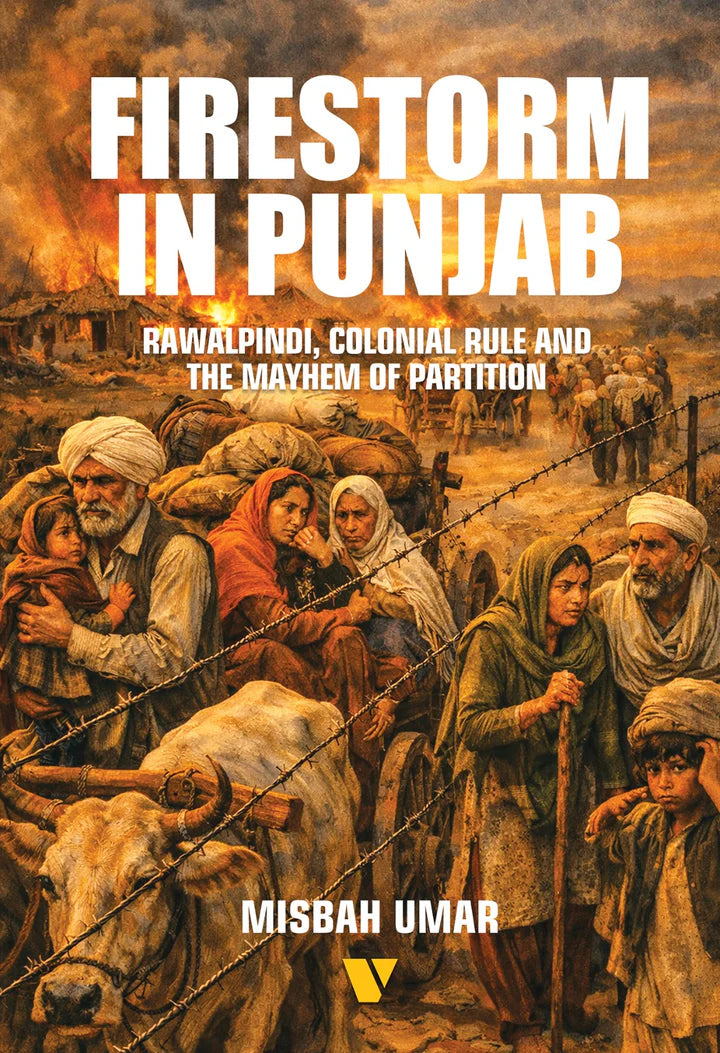
Firestorm In Punjab RAWALPINDI, COLONIAL RULE AND THE MAYHEM OF PARTITION
Couldn't load pickup availability
Description
Author: MISBAH UMAR
Number of Pages: 244
The partition of India in 1947 was marked by brutal violence and mass migration, with Punjab at its epicentre. The Rawalpindi division experienced an early and brutal eruption of violence in the month of March. The “Rawalpindi massacre,” with killings, arson, looting, and violence-induced migration as prevalent forms of violence against Sikhs and Hindus, constitutes a crucial yet unexplored chapter in partition studies, as it significantly shaped the subsequent political and communal landscape of the Punjab. By examining the socio-political organisation of the Rawalpindi division, including the role of rural-military elites as British allies in providing military manpower and maintaining local authority, this research demonstrates how the dissolution of the link between the state and these rural-military elites contributed to the unprecedented escalation of violence. The study argues that the “Rawalpindi massacre” is not a peripheral occurrence but rather a constitutive episode of violence that set the stage for further gruesome bloodshed in August and September 1947. The Sikhs were greatly agitated and began mobilisation of their community to avenge the “Rawalpindi massacre.” The dispossession of land following the Punjab’s partition intensified their resolve for revenge and retaliation. Amid the chaos of partition, this mobilisation culminated in organised and dreadful attacks on Muslims in East Punjab, thereby forcing them to flee westward. Through detailed archival analysis, this research situates the Rawalpindi division as a critical flashpoint, whose events were integral to the broader narrative of violence in the Punjab in 1947.